


Nausea and vomiting in adults
Bottom line
- Vomiting is a symptom, not a diagnosis. Acute vomiting without alarm features usually needs symptom treatment, not an extensive workup. Typical causes are gastroenteritis, foodborne illness, migraine, vestibular disorders, early pregnancy and medication side effects.1
- No antiemetic has clearly beaten placebo in ED adults. In the Cochrane review only droperidol, in one trial of 48 patients, beat placebo at 30 minutes. Patients given placebo often improved a lot.2
- Choose a drug by its harms. A 2025 network meta-analysis ranked IV prochlorperazine among the most effective agents and oral ondansetron among the least. IV ondansetron ranked best for avoiding significant adverse reactions; IV metoclopramide, droperidol and promethazine were among the most harmful.3
- A sniff of an isopropyl alcohol pad works fast. It cut nausea within 10 minutes and beat oral ondansetron at 30 minutes in ED trials.4,5 Pooled, it lowered nausea by about 2 points on a 10-point scale (moderate certainty).6
- Think cannabinoid hyperemesis in heavy cannabis users with recurrent vomiting. SAEM suggests adding haloperidol or droperidol, and topical capsaicin, to usual care (conditional, very low certainty).7,8 Stopping cannabis appears to be the best treatment.9
First steps
- Look for the cause. Ask about associated symptoms, timing, alarm symptoms, medications and substances, recent food, and other illnesses.1 Run through medication and toxin effects, then neurologic, gastrointestinal, metabolic or endocrine, and psychogenic causes.10
- Give fluids if the patient is dry. In the antiemetic trials, patients on placebo often improved substantially, and the Cochrane authors suggest supportive care such as IV fluids may be enough for most.2
- Hand over an isopropyl alcohol pad to sniff while the patient waits. At triage it lowered nausea from the 2nd minute and reduced rescue treatment.11
- If a drug is needed, choose by side effects, patient preference and cost. No drug has proven superior.2 Get a 12-lead ECG before droperidol.12 Ondansetron's label advises ECG monitoring with low potassium or magnesium, heart failure, slow rhythms or other QT-prolonging drugs.13
- Adult with vomiting. Take the history: timing, alarm symptoms, medications and substances, recent food, other illnesses. Early pregnancy is a typical cause.1
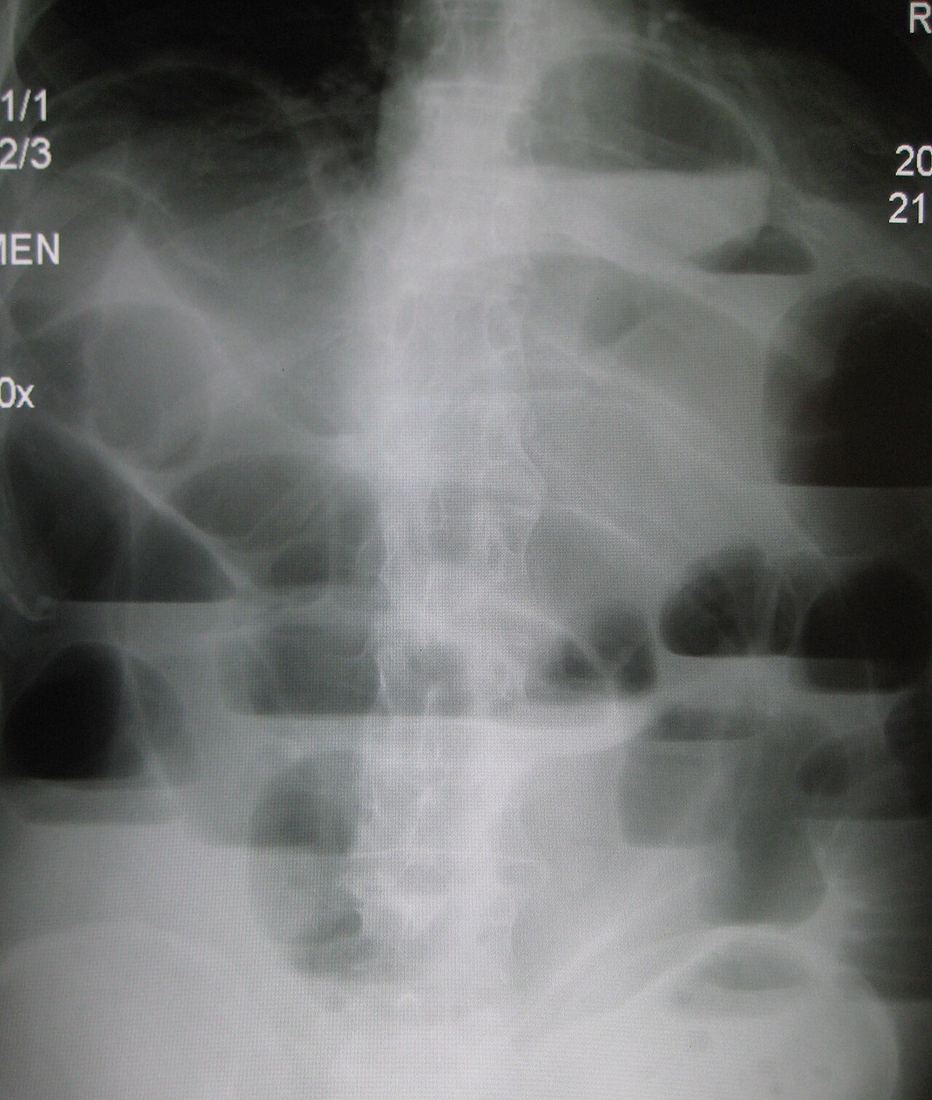
- Alarm features, localizing neurologic signs, or a suspected obstruction?YesFind the cause first. Brain imaging for localizing neurologic symptoms. Labs (CBC, electrolytes, glucose, liver panel, lipase, urinalysis) and imaging for biliary disease or bowel obstruction.14Ondansetron can mask progressive ileus after abdominal surgery or chemotherapy; watch bowel activity in anyone at risk of obstruction.13
- Then, for everyone
- Either wayKnown cyclic vomiting syndrome?YesFollow the ANMS ED protocol: IV fluids, ondansetron 8 mg IV, consider diphenhydramine and metoclopramide, lorazepam for sedation, and ketorolac rather than opioids for pain.14
- Either wayIf a drug is needed, choose by harms. IV ondansetron ranked best for avoiding significant adverse reactions, and IV prochlorperazine among the most effective. Oral ondansetron ranked among the least effective.3
- Either wayReassess. Without alarm features, treat the symptom rather than chase a workup, and use antiemetics for the shortest time needed.1
Finding the cause
- Acute or chronic? Acute nausea and vomiting last up to 7 days and, without alarm symptoms, are treated without an extensive evaluation. Chronic symptoms (4 weeks or longer) have a broad differential.1 Chronic or moderate to severe symptoms warrant testing for a cause.10
- Typical acute causes: gastroenteritis or another viral illness, foodborne illness, migraine, vestibular disorders, early pregnancy, and medication side effects.1
- Categories to run through: medications and toxins, neurologic, gastrointestinal, metabolic and endocrine, and psychogenic disorders.10
- Neurologic signs: localizing symptoms call for brain imaging (CT or MRI).14
- Recurrent vomiting never worked up: check a CBC, electrolytes and glucose, liver panel, lipase and urinalysis. Right upper quadrant ultrasound can show biliary disease, and CT or MR enterography can exclude small-bowel obstruction. Consider thyroid tests, cortisol (Addison disease) and urine porphyrins when the picture fits.14
Do antiemetics work?
| Trial (adult ED) | IV drugs compared | Nausea change at 30 min (100-mm scale) |
|---|---|---|
| Braude 2006 (n = 97) | Droperidol 1.25 mg, metoclopramide 10 mg, prochlorperazine 10 mg, saline | Droperidol −54.5 mm vs −40.2 and −40.5 mm. Metoclopramide and prochlorperazine no better than placebo. More akathisia with droperidol.16 |
| Barrett 2011 (n = 163) | Ondansetron 4 mg, metoclopramide 10 mg, promethazine 12.5 mg, saline | No drug clearly better. Stopped early.17 |
| Egerton-Warburton 2014 (n = 258) | Ondansetron 4 mg, metoclopramide 20 mg, saline | −27, −28 and −23 mm, not significantly different. Rescue drug: 34.5%, 17.9% and 36.3%.18 |
| Meek 2019 (n = 215) | Droperidol 1.25 mg, ondansetron 8 mg, saline | −29, −34 and −24 mm. Superiority not shown; stopped early.19 |
The placebo groups were not untreated. In one trial every patient got about 500 mL of saline in the first 30 minutes,17 and patients were also being treated for whatever brought them in.20
The Cochrane review (8 trials, 952 patients) found no definite evidence that any drug beats placebo or another drug.2 A 2025 network meta-analysis, searching to November 2023, called IV prochlorperazine and IV tropisetron definitely among the most effective and oral ondansetron definitely among the least.3 Both rest on small trials.
Treatment
| Agent | Adult dose (label) | Notes |
|---|---|---|
| Serotonin antagonist | ||
| Ondansetron | 4 mg IV over ≥ 30 s (preferably 2–5 min), or 4 mg IM | Label dose for postoperative nausea. Dose-dependent QT prolongation; avoid in congenital long QT.13 The ANMS protocol for cyclic vomiting uses 8 mg IV.14 |
| Dopamine antagonists | ||
| Metoclopramide | 10 mg (postoperative label dose, IM; up to 20 mg). IV: undiluted over 1–2 min, or diluted over ≥ 15 min | Boxed warning: tardive dyskinesia. For acute dystonia the label gives diphenhydramine 50 mg IM.21 A 15-minute infusion cut akathisia from 11.1% to 0%.22 |
| Prochlorperazine | 2.5–10 mg slow IV (≤ 5 mg/min, no bolus) or 5–10 mg deep IM; max 40 mg/day | Labeled to control severe nausea and vomiting. IV use can cause hypotension.23 Among the most effective in the network meta-analysis.3 |
| Droperidol | Up to 2.5 mg IM or slow IV first; further 1.25 mg doses with caution | Boxed warning: QT prolongation and torsades. ECG first; monitor 2–3 h after.12 ED trials used 1.25 mg.16,19 |
| Haloperidol | No labeled IV dose; dose per institutional protocol and label | Not approved for IV use; if given IV, monitor the ECG for QT prolongation.15 Suggested for cannabinoid hyperemesis.8 |
| Antihistamine | ||
| Promethazine | 12.5–25 mg, no more often than every 4 h; deep IM preferred | Boxed warning: severe tissue injury, including gangrene. IV only diluted, through a large vein; IV concentrations over 1 mg/mL are contraindicated.24 |
| Non-drug and topical | ||
| Inhaled isopropyl alcohol | Sniff from an alcohol pad | Lowered nausea from 2 minutes at triage and at 10 minutes in the ED.11,4 |
| Capsaicin 0.1% cream | Applied to the abdomen (trial use) | Cannabinoid hyperemesis only. One of 17 patients could not tolerate the skin irritation.25 |
Unreviewed doses. Verify against the current label and your institution's protocol before giving anything.
Doses are from the FDA labels. Prochlorperazine is labeled for severe nausea and vomiting.23 Droperidol's label reserves it for perioperative nausea when other treatments fail,12 and ondansetron's dose comes from its postoperative indication.13 In the network meta-analysis, IV metoclopramide, droperidol and promethazine were definitely among the most harmful for certain adverse reactions.3
QT and movement side effects
- Ondansetron: in 22 ED adults, 4 mg IV lengthened the QTc by a mean of 20 ms, with no serious cardiac events.26 The label advises avoiding it in congenital long QT and monitoring the ECG with electrolyte problems, heart failure, slow rhythms or other QT-prolonging drugs.13
- Droperidol: get a 12-lead ECG first. Do not give it if the QTc is over 440 ms in men or 450 ms in women, and monitor the ECG for 2–3 hours after.12
- Metoclopramide: run it slowly. A 15-minute infusion caused less akathisia than a 2-minute push (0% vs 11.1%).22
Droperidol's boxed warning reports QT prolongation and torsades, some fatal, even at recommended doses.12 In a US ED cohort of more than 6,000 visits, no deaths from droperidol occurred within 24 hours and no patient had a fatal arrhythmia; akathisia occurred in 2.9%.27 Follow the label's ECG rules either way.
Cannabinoid hyperemesis syndrome
- What it looks like: in a systematic review of reported cases, all had regular cannabis use and cyclic nausea and vomiting. 97.4% used at least weekly, 92.3% got relief from compulsive hot baths, 85.1% had abdominal pain, and 96.8% got better after stopping cannabis.9
- Hot showers are not specific. About half of patients with cyclic vomiting syndrome who do not use cannabis also bathe in hot water.28
- It is a working diagnosis in the ED. Rome IV requires episodes that stop with sustained cannabis cessation. A guideline committee proposes use more than 4 times a week for over a year, and resolution after at least 6 months off cannabis (or three typical cycles).28
| SAEM GRACE-4 suggestion (adults) | Strength |
|---|---|
| Haloperidol or droperidol, added to usual care (such as ondansetron) | Conditional, very low certainty |
| Topical capsaicin, added to usual care | Conditional, very low certainty |
From the SAEM GRACE-4 guideline.7,8
- HaVOC trial (n = 30): IV haloperidol beat IV ondansetron by 2.3 cm on a 10-cm scale for pain and nausea at 2 hours. Rescue antiemetics were used in 31% vs 59%, and patients left the ED sooner (3.1 vs 5.6 hours). There were two return visits for acute dystonia, both after the higher haloperidol dose.29
- Capsaicin pilot trial (n = 30): nausea at 60 minutes was 3.2 vs 6.4 cm with placebo cream. The difference at 30 minutes was not significant.25
- Stopping cannabis appears to be the best treatment. Avoiding opioids has also shown some benefit in the acute setting.9
Cyclic vomiting syndrome
- Rome IV criteria: stereotyped episodes of vomiting, acute in onset and lasting under a week; at least three in the past year and two in the past 6 months, at least a week apart; no vomiting between episodes, though milder symptoms may persist. A personal or family history of migraine supports the diagnosis.14
- What you will see: vomiting up to 1–6 times an hour, abdominal pain in up to 70%, restlessness and intense thirst. Some patients make themselves vomit for relief; this is not bulimia.14
- Treat early. Abortive drugs work best in the prodrome.14
- ED protocol (ANMS): CBC, renal and liver tests, lipase, glucose, electrolytes, ECG and urinalysis. Saline bolus if dehydrated, then D5NS. Ondansetron 8 mg IV; consider diphenhydramine 50 mg IV with metoclopramide 10 mg IV. Lorazepam 1–2 mg IV for sedation. Sumatriptan 20 mg nasal or 6 mg subcutaneous for a migraine-like attack. Ketorolac 30 mg IV for pain, with 15 mg repeats to a maximum of 60 mg a day.14
- Avoid opioids when you can. The guideline prefers IV ketorolac and non-opioid sedation in this recurrent condition.14
Disposition
- Acute vomiting without alarm features: symptom treatment without an extensive evaluation. Use antiemetics for the shortest time needed.1
- Cyclic vomiting: if treatment fails, intensify it or admit. If it works, discharge, continuing ondansetron every 6–8 hours for 24–48 hours if it helped.14
- Prevention for cyclic vomiting: moderate to severe disease warrants a tricyclic antidepressant such as amitriptyline (strong recommendation), so arrange follow-up.14
- Suspected cannabinoid hyperemesis: advise stopping cannabis. The diagnosis is confirmed only if episodes stop after sustained abstinence.9,28
Pitfalls
- Labeling recurrent vomiting as cannabinoid hyperemesis or cyclic vomiting without considering obstruction, biliary disease, pancreatitis or a neurologic cause.14
- Giving droperidol without a 12-lead ECG first.12
- Pushing metoclopramide fast. A 15-minute infusion caused less akathisia.22
- Giving promethazine IV undiluted or into a small vein.24
- Relying on oral ondansetron. It ranked among the least effective agents,3 and inhaled isopropyl alcohol beat it at 30 minutes.5
- Treating a cyclic vomiting attack with opioids first.14
How strong is the evidence?
There is no consensus on the best antiemetic for ED adults, and the Cochrane review rated the evidence low quality.2 Two of the placebo-controlled trials stopped early.17,19 The cannabinoid hyperemesis recommendations are conditional and rest on very low certainty evidence.8 The cyclic vomiting ED protocol is expert consensus, not graded.14
On-shift teaching
Questions to ask a learner at the bedside. Tap a question to see the answer. Every answer uses facts cited above.
Q1In the Cochrane review of ED antiemetics, which drug beat placebo at 30 minutes?
Q2Why might antiemetics look no better than placebo in these trials?
Q3What must you do before giving droperidol?
Q4How can you reduce akathisia from metoclopramide?
Q5A daily cannabis user has recurrent vomiting relieved by hot showers. Does the hot shower prove cannabinoid hyperemesis?
Q6What did the HaVOC trial show?
References
What this page is built on
29 sources, cited 105 times. Dots are sources, filled by how far each was read; stronger color means a larger share of the citations. Tap a tier to see its sources.
Checked by the writer, not a physician. The dots show how each source was read, not that anyone has confirmed the claims.
- 1Johns T, Lawrence E. Evaluation and treatment of nausea and vomiting in adults. Am Fam Physician. 2024;109(5):417–425.
- 2Furyk JS, Meek RA, Egerton-Warburton D. Drugs for the treatment of nausea and vomiting in adults in the emergency department setting. Cochrane Database Syst Rev. 2015;(9):CD010106.
- 3deSouza IS, Allen R, Shrestha P, et al. Efficacy and safety of pharmacologic therapies for nausea and emesis in the emergency department: a systematic review and Bayesian network meta-analysis. Ann Emerg Med. 2025;86(6):646–658.
- 4Beadle KL, Helbling AR, Love SL, April MD, Hunter CJ. Isopropyl alcohol nasal inhalation for nausea in the emergency department: a randomized controlled trial. Ann Emerg Med. 2016;68(1):1–9.e1.
- 5April MD, Oliver JJ, Davis WT, et al. Aromatherapy versus oral ondansetron for antiemetic therapy among adult emergency department patients: a randomized controlled trial. Ann Emerg Med. 2018;72(2):184–193.
- 6Lee SY, Tamale JR. Isopropyl alcohol inhalation for the treatment of nausea in adult emergency department patients: a systematic review and meta-analysis. Emerg Med J. 2023;40(9):660–665.
- 7Borgundvaag B, Bellolio F, Miles I, et al. Guidelines for Reasonable and Appropriate Care in the Emergency Department (GRACE-4): alcohol use disorder and cannabinoid hyperemesis syndrome management in the emergency department. Acad Emerg Med. 2024;31(5):425–455.
- 8Society for Academic Emergency Medicine. SAEM GRACE-4: Alcohol use disorder and cannabinoid hyperemesis syndrome management in the ED (recommendation summary).
- 9Sorensen CJ, DeSanto K, Borgelt L, Phillips KT, Monte AA. Cannabinoid hyperemesis syndrome: diagnosis, pathophysiology, and treatment—a systematic review. J Med Toxicol. 2017;13(1):71–87.
- 10Tome J, Kamboj AK, Sweetser S. A practical 5-step approach to nausea and vomiting. Mayo Clin Proc. 2022;97(3):600–608.
- 11Candemir H, Akoglu H, Sanri E, Onur O, Denizbasi A. Isopropyl alcohol nasal inhalation for nausea in the triage of an adult emergency department. Am J Emerg Med. 2021;41:9–13.
- 12Droperidol injection, USP. Prescribing information (American Regent). DailyMed.
- 13Ondansetron injection. Prescribing information (Cardinal Health). DailyMed.
- 14Venkatesan T, Levinthal DJ, Tarbell SE, et al. Guidelines on management of cyclic vomiting syndrome in adults by the American Neurogastroenterology and Motility Society and the Cyclic Vomiting Syndrome Association. Neurogastroenterol Motil. 2019;31(Suppl 2):e13604.
- 15Haloperidol (haloperidol lactate) injection. Prescribing information (Fresenius Kabi). DailyMed.
- 16Braude D, Soliz T, Crandall C, et al. Antiemetics in the ED: a randomized controlled trial comparing 3 common agents. Am J Emerg Med. 2006;24(2):177–182.
- 17Barrett TW, DiPersio DM, Jenkins CA, et al. A randomized, placebo-controlled trial of ondansetron, metoclopramide, and promethazine in adults. Am J Emerg Med. 2011;29(3):247–255.
- 18Egerton-Warburton D, Meek R, Mee MJ, Braitberg G. Antiemetic use for nausea and vomiting in adult emergency department patients: randomized controlled trial comparing ondansetron, metoclopramide, and placebo. Ann Emerg Med. 2014;64(5):526–532.e1.
- 19Meek R, Mee MJ, Egerton-Warburton D, et al. Randomized placebo-controlled trial of droperidol and ondansetron for adult emergency department patients with nausea. Acad Emerg Med. 2019;26(8):867–877.
- 20Morgenstern J. Nausea and vomiting in the ED: does nothing work? First10EM; December 2, 2019.
- 21Metoclopramide injection, USP. Prescribing information (Hospira, distributed by Cardinal Health). DailyMed.
- 22Regan LA, Hoffman RS, Nelson LS. Slower infusion of metoclopramide decreases the rate of akathisia. Am J Emerg Med. 2009;27(4):475–480.
- 23Prochlorperazine edisylate injection. Prescribing information (Civica). DailyMed.
- 24Promethazine hydrochloride injection. Prescribing information (HF Acquisition Co, HealthFirst). DailyMed.
- 25Dean DJ, Sabagha N, Rose K, et al. A pilot trial of topical capsaicin cream for treatment of cannabinoid hyperemesis syndrome. Acad Emerg Med. 2020;27(11):1166–1172.
- 26Moffett PM, Cartwright L, Grossart EA, O'Keefe D, Kang CS. Intravenous ondansetron and the QT interval in adult emergency department patients: an observational study. Acad Emerg Med. 2016;23(1):102–105.
- 27Gaw CM, Cabrera D, Bellolio F, Mattson AE, Lohse CM, Jeffery MM. Effectiveness and safety of droperidol in a United States emergency department. Am J Emerg Med. 2020;38(7):1310–1314.
- 28Venkatesan T, Levinthal DJ, Li BUK, et al. Role of chronic cannabis use: cyclic vomiting syndrome vs cannabinoid hyperemesis syndrome. Neurogastroenterol Motil. 2019;31(Suppl 2):e13606.
- 29Ruberto AJ, Sivilotti MLA, Forrester S, Hall AK, Crawford FM, Day AG. Intravenous haloperidol versus ondansetron for cannabis hyperemesis syndrome (HaVOC): a randomized, controlled trial. Ann Emerg Med. 2021;77(6):613–619.
AI-generated draft. Not reviewed by a physician. This page is for education only and may contain errors, including in doses. Do not use it to diagnose, treat or make decisions about any patient. Rely on your own clinical judgment, your institution's protocols and current drug labeling. Reading this page does not create a physician-patient relationship. Full terms