

First unprovoked seizure
Bottom line
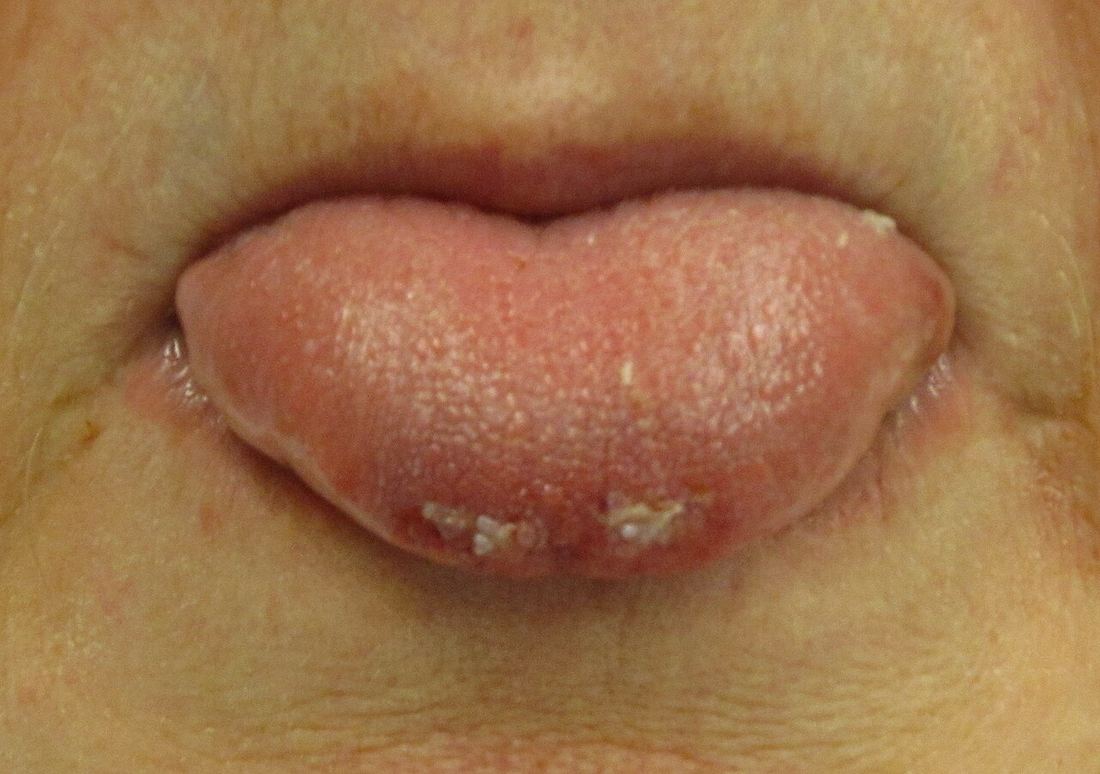
- First decide whether it was a seizure. A history-based score separated seizures from syncope with 94% sensitivity and specificity.1 A bitten tongue is 96% specific for a seizure, but most patients with a seizure don't have one.2
- Then look for a provoking cause such as a metabolic problem, a drug, or withdrawal, and treat it.3,4 Drug intoxication and withdrawal were the most common causes in a recent ED cohort.5
- Image the brain. CT or MRI is significantly abnormal in about 10% of adults after a first seizure.3 In current ED practice, 11.9% had an abnormal CT.5
- Back to baseline with a normal workup: no antiseizure drug from the ED and no admission needed (Level C).4,6 ACEP's 2024 update left these recommendations in place.7
- Recurrence is 21–45% over 2 years, highest early. Starting a drug now cuts that risk by about 35 percentage points but does not improve long-term remission.8 Arrange EEG, MRI and neurology follow-up, and give driving advice.3,8
Was it a seizure?
- The history decides most cases. In 539 patients with a known cause of loss of consciousness, a point score built only from symptoms around the event classified 94% correctly.1
- Remember the heart. In that cohort, 90 of the 437 patients with syncope had ventricular tachycardia.1
- Tongue biting has a sensitivity of 33% and a specificity of 96% for a seizure over syncope (positive likelihood ratio about 8).2
- Serum prolactin at least twice baseline, drawn 10–20 minutes after the event, helps tell a generalized tonic-clonic seizure from a psychogenic nonepileptic event (Level B). It does not separate seizure from syncope (Level B).9 Pooled sensitivity for a generalized tonic-clonic seizure was 60%, with specificity about 96%.9
Provoked, unprovoked, or epilepsy?
- Provoked: a seizure with an acute precipitating medical condition. Find and treat the cause; an antiseizure drug from the ED isn't needed (Level C).4
- Unprovoked: no acute cause is found. This page covers this group.8
- Epilepsy can be diagnosed after a single unprovoked seizure when the chance of another over 10 years is at least 60%, similar to the risk after two unprovoked seizures. It also covers two unprovoked seizures more than 24 hours apart, or an epilepsy syndrome.10
First hour
- If the seizure lasts over 5 minutes, or seizures repeat without return to baseline, treat it as status epilepticus: a benzodiazepine, then a second-line drug.7
- Get a careful history from a witness: what happened before, during and after the event.1
- Check glucose and electrolytes, especially sodium. Add a blood count, toxicology and a lumbar puncture as the history and exam suggest.3
- Image the brain with CT, or MRI where available.3,11
- Decide whether the seizure was provoked, and treat any cause.4
- If it was unprovoked and the patient is back to baseline, plan outpatient EEG, MRI and neurology follow-up, and discuss driving and safety.3,8
- Seizure over 5 minutes, or repeated without return to baseline?YesStatus epilepticus: a benzodiazepine, then levetiracetam 60 mg/kg (max 4,500 mg), fosphenytoin 20 mg PE/kg (max 1,500 mg PE) or valproate 40 mg/kg (max 3,000 mg) IV.7
- No
- Acute provoking cause found?YesTreat the cause. No antiseizure drug is needed from the ED.4
- No: first unprovoked seizureFirst unprovoked seizure, back to baseline
Workup
| Test | What it finds | Guideline position |
|---|---|---|
| Glucose, electrolytes (especially sodium), blood count | Abnormal in up to 15%, but abnormalities were minor and did not cause the seizure | Per clinical circumstances; evidence insufficient (Level U)3 |
| Toxicology | Limited data; some positive tests | Per clinical circumstances (Level U)3 |
| Lumbar puncture | Fever or clear signs of infection usually predicted abnormal CSF | Per clinical circumstances (Level U)3 |
| CT or MRI | Significant abnormality in about 10% | Consider as routine (Level B)3 |
| EEG | Epileptiform abnormalities in about 23%; these predict recurrence | Consider as routine (Level B)3 |
- ED CT in current practice: in 242 adults with a first seizure at three urban EDs, 11.9% had an abnormal CT. Nearly half of those findings were acute, most often traumatic hemorrhage or metastases.5
- A short systematic review found 10–19 adults needed CT to find one result that changes ED care, such as hemorrhage, infarction or tumor, and judged routine imaging justified.11
- EEG from the ED: in a prospective study, a 30-minute EEG within 11 hours of the seizure led to an epilepsy diagnosis in 24% of adults who were candidates for discharge, and all of them started treatment from the ED.12
Antiseizure medication
| Patient after a first seizure, back to baseline | ACEP recommendation (Level C) |
|---|---|
| Provoked seizure | Antiseizure drug not needed from the ED; treat the precipitating condition4 |
| Unprovoked, no evidence of brain disease or injury | Antiseizure drug not needed from the ED4 |
| Unprovoked, remote brain disease or injury | May start in the ED, or defer in coordination with other providers4 |
Risk and benefit to explain
- Recurrence is 21–45%, highest in the first 2 years (Level A). Cumulative risk is about 32% at 1 year and 46% at 5 years.8
- Starting a drug now likely lowers recurrence over the next 2 years, by about 35 percentage points (Level B).8
- It doesn't change the long run. Sustained remission beyond 3 years is unlikely to improve (Level B), and quality of life may not improve (Level C).8 In MESS (n = 1,443), 76% of the immediate group and 77% of the deferred group were seizure-free between years 3 and 5.13
- Side effects occur in 7–31% and are mostly mild and reversible (Level B).8
| Raises recurrence risk | Effect | Level |
|---|---|---|
| Prior brain insult (stroke, trauma) | Rate ratio 2.55 | A |
| Epileptiform EEG | Rate ratio 2.16 | A |
| Significant brain-imaging abnormality | HR 2.44 | B |
| Seizure during sleep | OR 2.1 | B |
From the AAN/AES guideline. Don't add these together; data on how they combine are lacking.8
ACEP says an antiseizure drug isn't needed from the ED for an unprovoked seizure without brain disease or injury.4 The ILAE lets clinicians diagnose epilepsy after one seizure when recurrence risk is at least 60%,10 and one ED study started treatment the same day when an ED EEG showed epilepsy.12 The choice to treat after one seizure is individual and is best made with neurology.8
| Drug | Adult dose | Notes |
|---|---|---|
| Levetiracetam, oral (if starting with neurology) | 500 mg twice daily | Label starting dose for adults 16 and older; maximum 3,000 mg/day.14 |
Unreviewed doses. Verify against the current label and your institution's protocol before giving anything.
If it happens again in the ED
Status epilepticus is a seizure lasting more than 5 minutes, or more than one seizure without return to baseline. Benzodiazepines come first.7 If seizures continue after an adequate benzodiazepine dose, give a second-line drug; fosphenytoin, levetiracetam and valproate work about equally well (Level A).7
| Agent | Adult dose | Avoid in |
|---|---|---|
| Second line, after an adequate benzodiazepine dose | ||
| Levetiracetam | 60 mg/kg IV (max 4,500 mg) | Hypersensitivity7 |
| Fosphenytoin | 20 mg PE/kg IV (max 1,500 mg PE) | AV block, sinus bradycardia7 |
| Valproate | 40 mg/kg IV (max 3,000 mg) | Hepatic disease7 |
Unreviewed doses. Verify against the current label and your institution's protocol before giving anything.
Doses from the ACEP 2024 policy table, taken from the ESETT trial. ESETT counted lorazepam 4 mg, midazolam 10 mg or diazepam 10 mg as an adequate benzodiazepine dose. Seizures stopped with improved responsiveness at 60 minutes in 47%, 45% and 46% of patients on levetiracetam, fosphenytoin and valproate.7
Disposition
- Back to baseline after a first unprovoked seizure: admission is not needed (Level C).4
- Follow-up: EEG and brain imaging, if not done in the ED, belong in the routine evaluation (Level B).3 Recurrence is most likely in the first 1–2 years.8
- Driving: give advice that follows local law, and document it. In one study only 21% of patients received correct advice, and the guideline calls for better counseling.8
Pitfalls
- Calling an arrhythmia a seizure. Ventricular tachycardia was a common cause of syncope in a seizure-versus-syncope cohort.1
- Using prolactin to tell seizure from syncope. It rises after syncope too.9
- Skipping brain imaging because the patient looks well. About 1 in 10 adults has a significant abnormality.3,5
- Skipping CT because drugs or alcohol seem to explain the seizure. They were the leading causes in one ED cohort, yet 11.9% had an abnormal CT, and traumatic hemorrhage was among the commonest acute findings.5
- Discharging without driving advice. Most patients in one study did not get correct advice.8
- Waiting too long for a second-line drug when a seizure continues after benzodiazepines.7
How strong is the evidence?
The prognosis numbers are Level A and B, from cohorts and randomized trials of immediate versus deferred treatment.8,13 ACEP's ED recommendations on starting drugs and admission are Level C, based on weaker studies or consensus.4 Testing recommendations come from a 2007 review in which routine labs, toxicology and lumbar puncture had insufficient evidence for or against (Level U).3 ACEP's 2024 policy updated only the status epilepticus question and judged the 2014 answers on first seizures still adequate.7
On-shift teaching
Questions to ask a learner at the bedside. Tap a question to see the answer. Every answer uses facts cited above.
Q1How useful is a bitten tongue for telling seizure from syncope?
Q2Does a raised prolactin distinguish a seizure from syncope?
Q3What fraction of adults with a first seizure have a significant abnormality on brain imaging?
Q4What is the recurrence risk after a first unprovoked seizure, and what changes it?
Q5Does starting an antiseizure drug after one seizure change the long-term outcome?
References
What this page is built on
14 sources, cited 93 times. Dots are sources, filled by how far each was read; stronger color means a larger share of the citations. Tap a tier to see its sources.
Checked by the writer, not a physician. The dots show how each source was read, not that anyone has confirmed the claims.
- 1Sheldon R, Rose S, Ritchie D, et al. Historical criteria that distinguish syncope from seizures. J Am Coll Cardiol. 2002;40(1):142–148.
- 2Brigo F, Nardone R, Bongiovanni LG. Value of tongue biting in the differential diagnosis between epileptic seizures and syncope. Seizure. 2012;21(8):568–572.
- 3Krumholz A, Wiebe S, Gronseth G, et al. Practice parameter: evaluating an apparent unprovoked first seizure in adults (an evidence-based review). American Academy of Neurology and American Epilepsy Society. Neurology. 2007;69(21):1996–2007.
- 4American Board of Emergency Medicine. Key Advances clinical policy alert: critical issues in the evaluation and management of adult patients presenting to the emergency department with seizures (summary of the 2014 ACEP clinical policy).
- 5Isenberg D, Gunchenko M, Hameier A. First-time seizure patients have high rate of abnormalities on emergency department performed brain computed tomography: a prospective study. J Emerg Med. 2023;65(5):e432–e437.
- 6Huff JS, Melnick ER, Tomaszewski CA, et al.; American College of Emergency Physicians. Clinical policy: critical issues in the evaluation and management of adult patients presenting to the emergency department with seizures. Ann Emerg Med. 2014;63(4):437–447.
- 7American College of Emergency Physicians Clinical Policies Subcommittee on Seizures; Smith MD, Sampson CS, Wall SP, Diercks DB. Clinical policy: critical issues in the management of adult patients presenting to the emergency department with seizures. Ann Emerg Med. 2024;84(1):e1–e12.
- 8Krumholz A, Wiebe S, Gronseth GS, et al. Evidence-based guideline: management of an unprovoked first seizure in adults. American Academy of Neurology and American Epilepsy Society. Neurology. 2015;84(16):1705–1713.
- 9Chen DK, So YT, Fisher RS. Use of serum prolactin in diagnosing epileptic seizures: report of the Therapeutics and Technology Assessment Subcommittee of the American Academy of Neurology. Neurology. 2005;65(5):668–675.
- 10Fisher RS, Acevedo C, Arzimanoglou A, et al. ILAE official report: a practical clinical definition of epilepsy. Epilepsia. 2014;55(4):475–482.
- 11Williams C, Yates G. Best Evidence Topic report: is a CT head required for patients who present to the emergency department with a first seizure? Emerg Med J. 2024;41(9):571–573.
- 12Wyman AJ, Mayes BN, Hernandez-Nino J, et al. The first-time seizure emergency department electroencephalogram study. Ann Emerg Med. 2017;69(2):184–191.
- 13Marson A, Jacoby A, Johnson A, et al.; MRC MESS Study Group. Immediate versus deferred antiepileptic drug treatment for early epilepsy and single seizures: a randomised controlled trial. Lancet. 2005;365(9476):2007–2013.
- 14Levetiracetam tablets. FDA label (Direct_Rx), DailyMed.
AI-generated draft. Not reviewed by a physician. This page is for education only and may contain errors, including in doses. Do not use it to diagnose, treat or make decisions about any patient. Rely on your own clinical judgment, your institution's protocols and current drug labeling. Reading this page does not create a physician-patient relationship. Full terms