

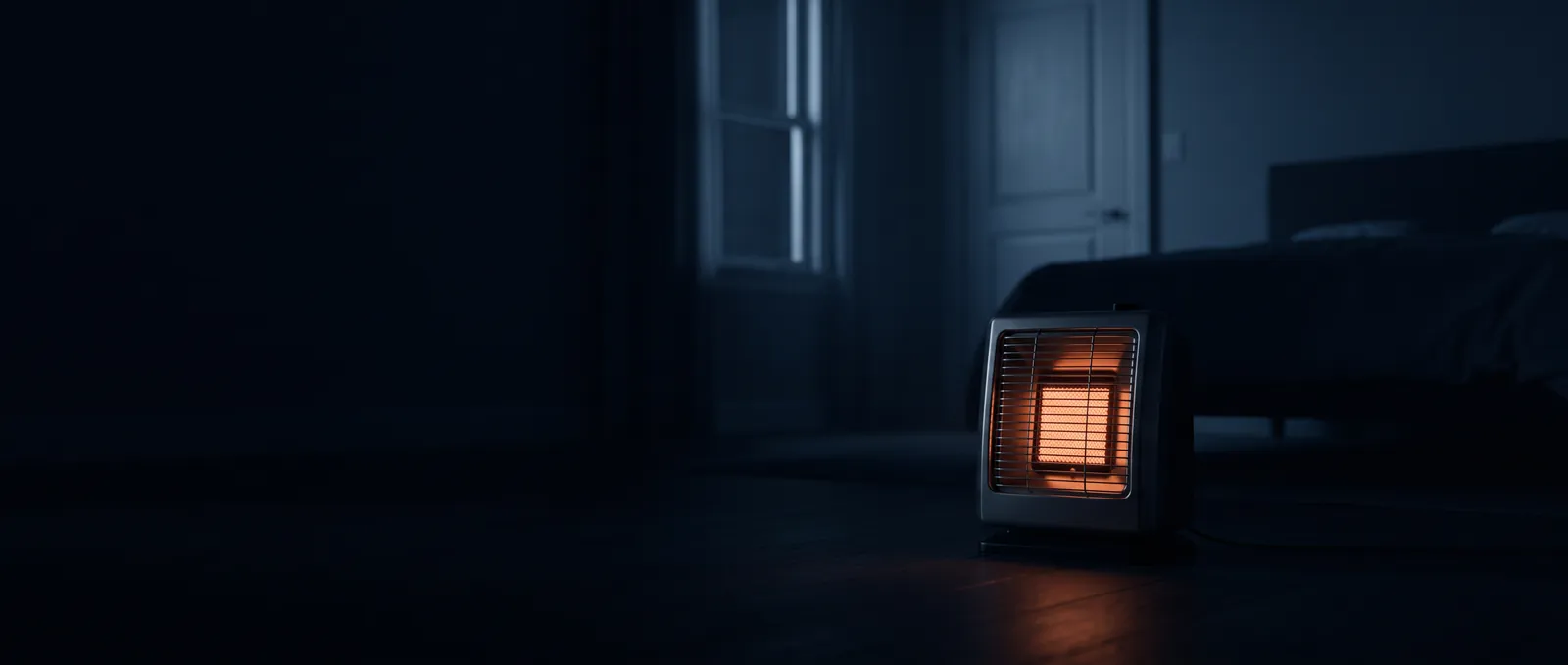
Carbon monoxide poisoning
Bottom line
- Think of it when symptoms are vague. Poisoning ranges from headache or a flu-like illness to chest pain, confusion and coma. Flu-like cases are easy to miss, especially in cold weather.1
- Confirm with a blood carboxyhemoglobin, not a pulse CO-oximeter. In a meta-analysis, pulse CO-oximetry missed 23% of raised levels and could not safely rule poisoning in or out.2
- Give 100% oxygen right away. The carboxyhemoglobin half-life is about 5 hours on room air, roughly 74–85 minutes on 100% oxygen by mask, and about 20 minutes with hyperbaric oxygen.1,3
- Hyperbaric oxygen is a judgment call. ACEP's 2025 policy (Level C) says selected symptomatic patients may benefit, depending on severity and the distance and time to a chamber.1 The trials disagree.4,5
- Check the heart in moderate to severe poisoning. Myocardial injury occurred in 37% of these patients and was linked to about twice the risk of death over the following years (adjusted HR 2.1).6
Carbon monoxide poisoning in under a minute
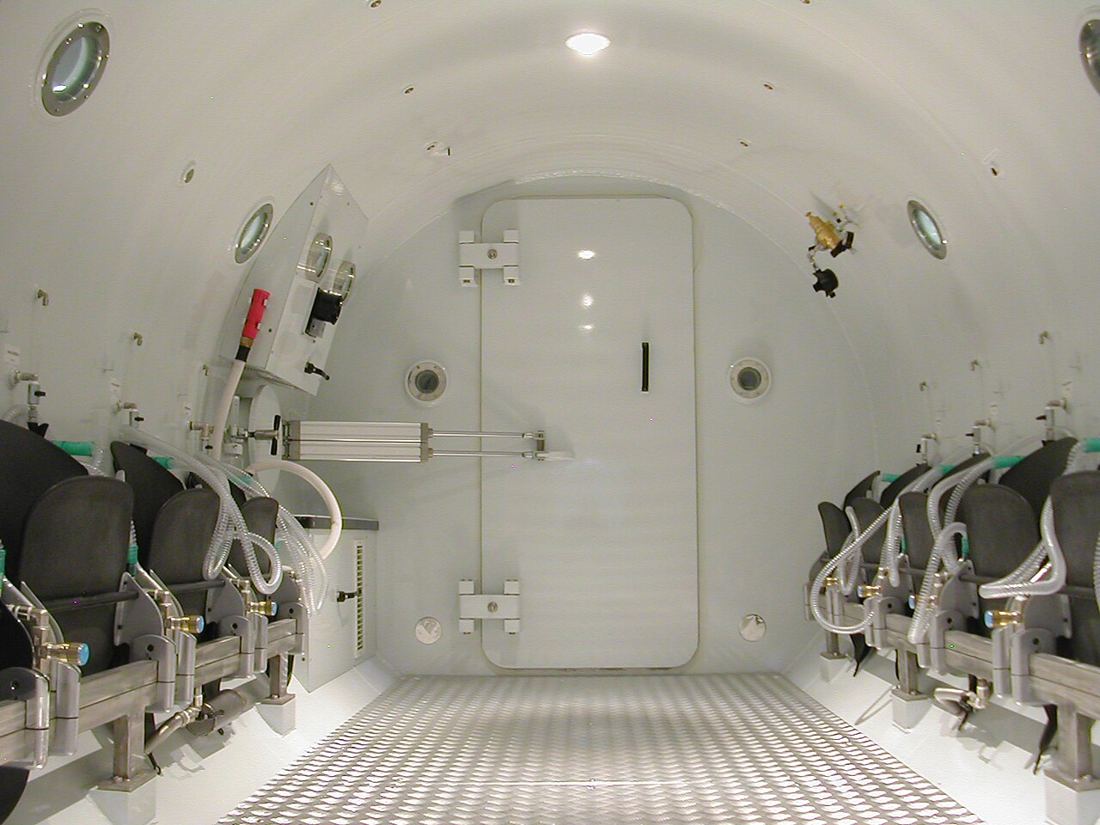
Every spoken line and on-screen number comes from a cited line in this article. The pictures are AI illustrations, not clinical images.
First steps
- Remove the patient from the source and give 100% oxygen by high-flow nonrebreather mask, or by endotracheal tube if intubated.1,3 LITFL advises continuing it until the patient has no symptoms or the carboxyhemoglobin is below 10%.7
- Send a blood carboxyhemoglobin. Arterial or venous blood both work. Levels above about 3–4% in nonsmokers and 10% in smokers are abnormal.2
- Don't judge severity by the level alone. Carboxyhemoglobin falls quickly and variably once exposure ends, so the level on arrival correlates poorly with how sick the patient was.7
- Moderate to severe poisoning: get an ECG and cardiac biomarkers, and monitor the rhythm.6,7
- Fire or smoke exposure: think of cyanide too, and treat it if suspected.7
- Decide on hyperbaric oxygen early. Weigh severity against distance and time to a chamber.1 In a retrospective study, starting within 6 hours of exposure was linked to better 6-month outcomes than starting at 6–24 hours.8
- Ask how it happened. Check on others in the household, and refer intentional exposures for psychiatric assessment.7
Diagnosis
- Symptoms are nonspecific: headache, dizziness, nausea, vomiting, fatigue and loss of consciousness. Fires, faulty heating and cars are the main sources.2
- Severe poisoning can cause chest pain, shortness of breath, myocardial infarction, dysrhythmia, confusion and coma.1
- Diagnosis needs a history of exposure, symptoms, and a raised carboxyhemoglobin.2
- Smokers start higher. Baseline carboxyhemoglobin in smokers is about 3–10%.7
Pulse CO-oximetry
- Across 11 studies with primary accuracy data, pulse CO-oximetry had a sensitivity of 77% and a specificity of 83% against blood carboxyhemoglobin.2
- In patients with suspected poisoning, up to 30% of raised levels were missed. In one study, the device read 0% while the blood level was above 35%.2
- Readings differed from the blood value by as much as about 7–9 percentage points in either direction (limits of agreement −7.1% to 8.6%).2
- Screening unselected ED patients gave false-positive rates of 9% to 54%.2
Oxygen
In 93 poisoned patients on 100% oxygen at normal pressure, the only factor that changed the half-life was the arterial oxygen tension. Age, sex, smoking, loss of consciousness and the initial level did not.3
Hyperbaric oxygen
ACEP 2025, Level C: in symptomatic carbon monoxide poisoning, selected patients may benefit from hyperbaric oxygen, based on severity of symptoms and on availability (distance and time). There are no Level A or B recommendations.1 The committee concluded that hyperbaric oxygen may give a modest benefit, especially for memory.1
| Trial | n | Time to chamber | First treatment | Favored HBO? |
|---|---|---|---|---|
| Raphael 1989 | 343 | < 12 h | 2 ATA | No |
| Thom 1995 | 65 | < 6 h | 2.8 ATA | Yes |
| Scheinkestel 1999 | 191 | No limit | 2.8 ATA | No |
| Weaver 2002 (sham-controlled) | 152 | < 24 h | 3 ATA | Yes |
| Annane 2011 | 179 | < 12 h | 2 ATA | No |
The five randomized trials behind the ACEP recommendation, from the policy's own table. They differed in timing, pressure, blinding and whether comatose patients were included.1
- Weaver 2002 (n = 152, double-blind): three hyperbaric sessions within 24 hours cut cognitive sequelae at 6 weeks from 46.1% to 25.0% (adjusted OR 0.45). The benefit was still present at 12 months. The trial stopped early at an interim analysis.4
- Cochrane 2011 (6 trials, 1,361 patients): the pooled odds ratio for neurologic deficits was 0.78 (95% CI 0.54–1.12), not significant. All trials had design or analysis flaws, and both positive trials stopped early for benefit.5
- Later meta-analyses found no difference in mortality or overall sequelae, but one found less memory impairment with hyperbaric oxygen (risk ratio 0.67, 95% CI 0.46–0.97).1
- Japanese national data (2,034 matched pairs): no difference in in-hospital mortality (0.8% vs 1.2%), but better consciousness and daily activities at discharge after hyperbaric oxygen.10
- Timing: in 706 patients treated with hyperbaric oxygen, poor 6-month outcomes became more common as the delay to treatment grew.8 Several retrospective studies point the same way.1
The one blinded, sham-controlled trial found a large benefit.4 The Cochrane review judged that the trials do not establish whether hyperbaric oxygen reduces neurologic harm.5 ACEP sits between them: a possible modest benefit for selected patients, balanced against the risks of transfer.1
Who is at risk of delayed sequelae
- Risk factors named by ACEP: age 36 or older, carboxyhemoglobin 25% or more, exposure of 24 hours or more, loss of consciousness, a low Glasgow Coma Scale or Mini-Mental State score, and an abnormal brain CT.1
- In 163 poisoned patients who did not receive hyperbaric oxygen, 42% developed cognitive sequelae at 6 weeks. Age 36 or older (OR 2.6) and exposure of 24 hours or more (OR 2.4) raised the risk.9
- When treated patients were added, hyperbaric oxygen was linked to fewer sequelae in patients aged 36 or older (OR 0.3).9
Harms
- Middle ear barotrauma, oxygen toxicity seizures and claustrophobia.1
- Transfer carries its own risks, including deterioration on the way. Only a small share of US centers can treat high-acuity patients, and patients in many areas may need transport of more than 50 miles.1
The heart
In 230 adults admitted for moderate to severe poisoning and treated with hyperbaric oxygen, 37% had myocardial injury by troponin, CK-MB or ECG. Over a median 7.6 years, 38% of them died, compared with 15% of those without injury (adjusted HR 2.1).6
Delayed neurologic sequelae
- New neurologic problems can appear 2 to 40 days after exposure.1
- They range from poor concentration and memory to seizures and a Parkinson-like syndrome, and include psychiatric problems such as depression and psychosis.1
- Anyone with a neurologic deficit needs neuropsychological testing at 1–2 months.7
Disposition
- Disposition depends on severity: home, ward, ICU or a hyperbaric chamber.7
- Consider transfer to a hyperbaric facility for severe poisoning or for symptoms that persist after 4 hours of oxygen.7 Weigh that against the risk of deterioration in transit.1
- Before discharge, assess the home or work environment and check whether others in the household are affected.7
- Intentional poisoning needs psychiatric referral or admission.7
Groups this page does not cover
The ACEP policy excludes children, pregnant patients, chronic poisoning, prehospital care, and patients presenting more than 24 hours after exposure ended.1 In pregnancy, the fetus is more vulnerable: fetal hemoglobin binds carbon monoxide tightly and clears it slowly. Hyperbaric oxygen is often considered for all pregnant patients.7
Pitfalls
- Calling a flu-like illness viral in cold weather without considering carbon monoxide.1
- Ruling out poisoning with a normal pulse CO-oximeter reading.2
- Being reassured by a modest level after oxygen on the way in. The level on arrival correlates poorly with how sick the patient was.7
- Forgetting cyanide in fire victims.7
- Skipping the ECG and troponin in moderate to severe poisoning.6
- Sending the patient home to the same source.7
How strong is the evidence?
Weak. ACEP's review found no Class I or II studies since 2017; of the four new studies, three were meta-analyses of the same old trials and one was a retrospective database study.1 The trials were mostly unblinded, and they were flawed in other ways: both positive trials stopped early, and the negative ones excluded severe cases or lost patients to follow-up.1,5 Evidence for pulse CO-oximetry comes from heterogeneous diagnostic studies, several of them funded or supplied by the device maker.2
On-shift teaching
Questions to ask a learner at the bedside. Tap a question to see the answer. Every answer uses facts cited above.
Q1Why can't a pulse CO-oximeter rule out carbon monoxide poisoning?
Q2What is the carboxyhemoglobin half-life on room air, on 100% oxygen, and with hyperbaric oxygen?
Q3What did the Weaver 2002 trial show, and why is it still debated?
Q4Name four risk factors for delayed neurologic sequelae.
Q5Why check troponin in moderate to severe poisoning?
Q6What harms does ACEP weigh against hyperbaric oxygen?
References
What this page is built on
10 sources, cited 90 times. Dots are sources, filled by how far each was read; stronger color means a larger share of the citations. Tap a tier to see its sources.
Checked by the writer, not a physician. The dots show how each source was read, not that anyone has confirmed the claims.
- 1American College of Emergency Physicians Clinical Policies Subcommittee on Carbon Monoxide Poisoning; Shih RD, Tomaszewski CA, Kaji A, Diercks DB. A critical issue in the management of adult patients presenting to the emergency department with acute carbon monoxide poisoning. Ann Emerg Med. 2025;85(4):e45–e59.
- 2Papin M, Latour C, Leclère B, Javaudin F. Accuracy of pulse CO-oximetry to evaluate blood carboxyhemoglobin level: a systematic review and meta-analysis of diagnostic test accuracy studies. Eur J Emerg Med. 2023;30(4):233–243.
- 3Weaver LK, Howe S, Hopkins R, et al. Carboxyhemoglobin half-life in carbon monoxide-poisoned patients treated with 100% oxygen at atmospheric pressure. Chest. 2000;117(3):801–808.
- 4Weaver LK, Hopkins RO, Chan KJ, et al. Hyperbaric oxygen for acute carbon monoxide poisoning. N Engl J Med. 2002;347(14):1057–1067.
- 5Buckley NA, Juurlink DN, Isbister G, Bennett MH, Lavonas EJ. Hyperbaric oxygen for carbon monoxide poisoning. Cochrane Database Syst Rev. 2011;(4):CD002041.
- 6Henry CR, Satran D, Lindgren B, et al. Myocardial injury and long-term mortality following moderate to severe carbon monoxide poisoning. JAMA. 2006;295(4):398–402.
- 7Lin C, Nickson C. Carbon monoxide poisoning. Life in the Fast Lane; 2019.
- 8Lee Y, Cha YS, Kim SH, et al. Effect of hyperbaric oxygen therapy initiation time in acute carbon monoxide poisoning. Crit Care Med. 2021;49(10):e910–e919.
- 9Weaver LK, Valentine KJ, Hopkins RO. Carbon monoxide poisoning: risk factors for cognitive sequelae and the role of hyperbaric oxygen. Am J Respir Crit Care Med. 2007;176(5):491–497.
- 10Nakajima M, Aso S, Matsui H, et al. Hyperbaric oxygen therapy and mortality from carbon monoxide poisoning: a nationwide observational study. Am J Emerg Med. 2020;38(2):225–230.
AI-generated draft. Not reviewed by a physician. This page is for education only and may contain errors, including in doses. Do not use it to diagnose, treat or make decisions about any patient. Rely on your own clinical judgment, your institution's protocols and current drug labeling. Reading this page does not create a physician-patient relationship. Full terms