

Asymptomatic elevated blood pressure
Bottom line
- Without acute organ damage, it is not an emergency. In nonpregnant adults, the 2025 AHA/ACC guideline says BP above 180/120 without acute target organ damage should be managed as an outpatient, by starting, restarting or intensifying oral medication.1,2
- Don't test routinely. ACEP does not require creatinine, urinalysis or an ECG in these patients (Level C).3,4 In 109 ED patients with asymptomatic severe hypertension, only 6% had an unexpected result that changed management, and none was clearly caused by the BP.5
- Don't lower the number before discharge. Routine ED treatment is not required.3,4 In 12,044 discharged ED patients, leaving with a systolic BP of 160 or less was not linked to fewer cardiovascular events at 30 days (HR 0.99).6
- Consider starting an oral drug at discharge. ACEP 2025 suggests it (Level C).7,8 In a pooled ED cohort, patients given a prescription had a 19 mm Hg larger fall in systolic BP at about 12 days, with no hypotension.9
- Follow-up is the real treatment. Refer every patient (ACEP consensus).7,8 Most office patients with severe hypertension still had uncontrolled BP 6 months later.10
Definitions
| Term | BP | What it means here |
|---|---|---|
| Stage 2 hypertension (AHA/ACC 2025) | ≥ 140 systolic or ≥ 90 diastolic | The diagnosis needs average readings, confirmed outside the office.1,2 |
| Markedly elevated BP (ACEP 2013) | > 160/100 | The threshold the 2013 ACEP policy used for its recommendations.11 |
| Severe hypertension (AHA/ACC 2025) | > 180/120, no acute target organ damage | Outpatient care with oral medication, started in a timely way.1,2 |
| Hypertensive emergency | > 180 and/or > 120, with acute target organ damage | ICU care and staged lowering. Covered in the hypertensive emergency article.1,2 |
Definitions vary widely. A 2025 scoping review of 35 texts found no agreed cutoff for "asymptomatic hypertension"; all required the absence of organ damage, which was itself poorly defined.12 The 2024 AHA statement on BP in acute care prefers objective terms to "crisis" and "urgency", which it links to unnecessary treatment.11
First steps
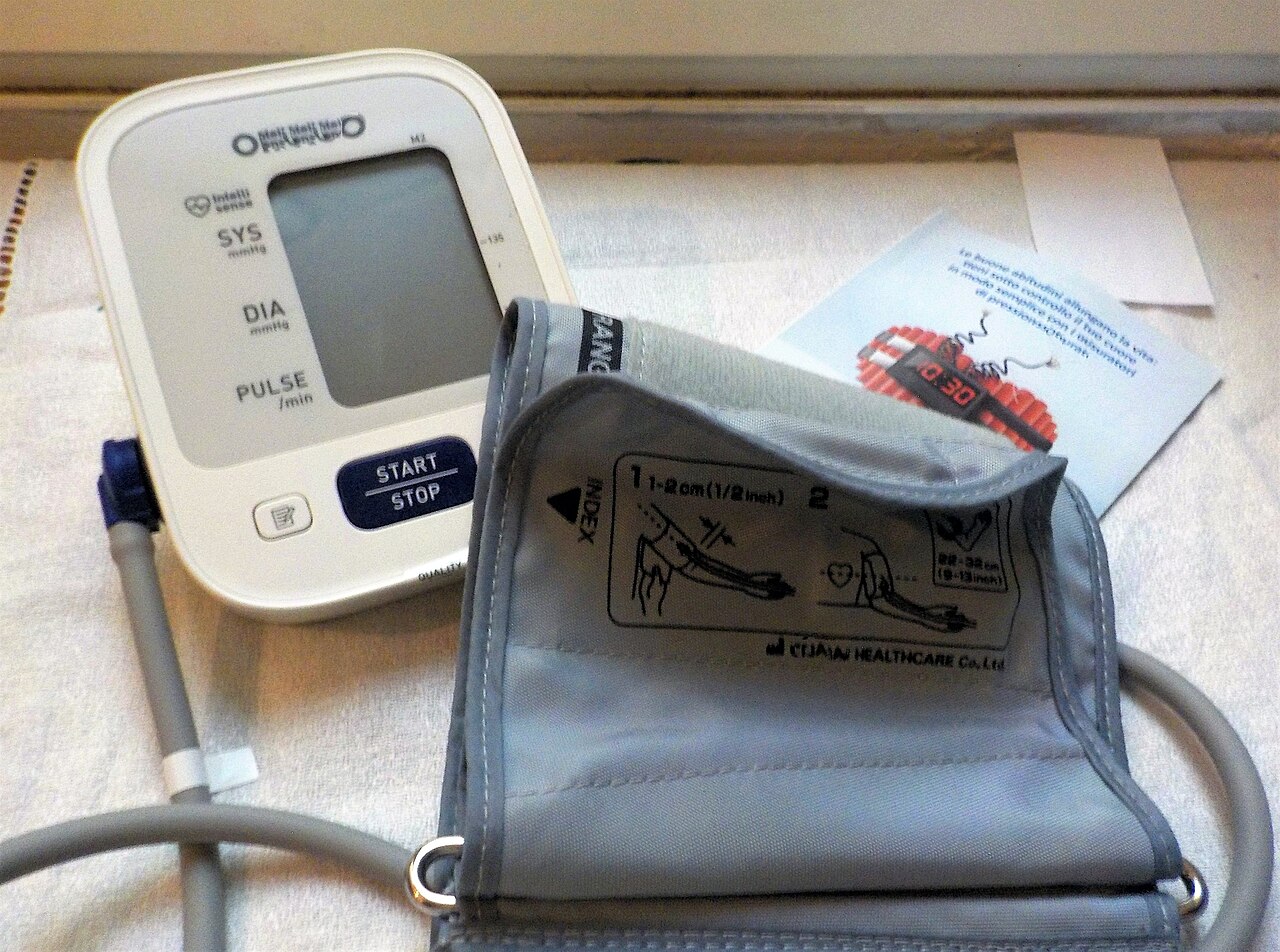
- Recheck the BP properly. The guideline recommends a standardized measurement technique, and an automated oscillometric cuff is reasonable.1,2 In one prospective ED cohort, systolic BP fell by a median of 24 mm Hg on a repeat reading after more than 30 minutes, with no treatment.14
- Look for acute organ damage with a focused history and exam. Every text in the scoping review that made recommendations advised this.12 Organ damage changes the diagnosis to a hypertensive emergency.1,2
- Pregnant? A confirmed BP of 160/110 or more needs treatment within 30–60 minutes, whatever the symptoms (below).1,2
- Skip routine tests. Creatinine, urinalysis and ECG are not required (Level C). In selected patients, such as those with poor follow-up, a creatinine may find kidney injury that changes disposition (Level C).3,4
- Don't treat the number in the department. Routine ED medical intervention is not required (Level C).3,4
- Consider an oral drug at discharge (Level C).7,8
- Arrange follow-up for every patient (consensus).7,8
- No
- No
- Either way
How risky is it?
- Short-term complications are rare. Across 206,147 Ontario ED visits for hypertension, deaths within 90 days were under 1%, and admissions for stroke, heart failure, myocardial infarction, atrial fibrillation, renal failure, encephalopathy or dissection together were under 1% at 30 days.15
- Sending office patients to hospital did not help. In 58,535 office patients with BP ≥ 180/110, those sent home had no more cardiovascular events than matched patients referred to hospital (0 vs 0.5% at 7 days), and fewer admissions (4.7% vs 8.2%).10
- Age and comorbidity explain the excess risk. In the Canadian cohort, patients without prior hypertension and an ED BP of 160/100 or more had more events at 2 years (5.9% vs 3.8%), but not after adjustment for age, sex, diabetes, atrial fibrillation and prior cardiovascular disease (adjusted HR 0.84, 95% CI 0.71–1.004).13
- One US pathway, no events. In 324 VA encounters for asymptomatic hypertension, there were no major cardiovascular events within 30 days, and testing found no new diagnoses.16
Not every study finds these patients low risk. In a Detroit cohort of discharged ED patients with systolic BP 180–220, 15.5% had a major cardiovascular event within a year.6 In US claims data, an ED visit for hypertensive urgency was 3.5 times more common in the week before a cardiovascular admission than in the same week a year earlier.17 Neither study shows that lowering BP in the ED prevents these events, and the Detroit study found it did not.6 The risk points to follow-up and cardiovascular risk reduction, not acute treatment.
Testing
The 2013 ACEP policy still governs testing. The 2025 policy addressed only outpatient medication, and supplements the 2013 policy, which is being revised.8
| Study | Patients | What testing found |
|---|---|---|
| Karras 2008, 3 US EDs | 109; BP ≥ 180/110 twice, no symptoms | Unexpected abnormal results in 52%, but only 6% changed management. None was clearly due to the BP.5 |
| Agrawal 2026, India | 210; BP > 180/110, no symptoms | Meaningful abnormalities in 13.3%; 3.3% admitted. Chronic kidney disease was the only predictor (aOR 8.28). 7-day adverse events 1.9%.14 |
| Farkas 2024, US VA | 324 encounters | No test found a previously undiagnosed condition.16 |
- Creatinine is the test with a case. In the studies ACEP reviewed, creatinine found renal dysfunction of uncertain significance in up to 5% of patients; urinalysis, chest radiograph and ECG showed no benefit.4
- Who might need it: patients with poor follow-up, where a result could change disposition3,4, and possibly patients with chronic kidney disease, the only predictor of an actionable result in the 2026 cohort.14
Treatment
Not in the department
- ACEP 2013: routine ED treatment is not required. In selected patients, such as those with poor follow-up, physicians may lower BP in the ED or start long-term therapy (Level C, consensus).3,4
- Fast lowering may harm. ACEP noted that no serious BP-related events occurred when treatment was deferred to follow-up, for up to 3 months.4
- Lowering before discharge did not help. In the Detroit cohort, 29.3% were treated in the ED. Discharge systolic BP ≤ 160 did not change 30-day events (HR 0.99, 95% CI 0.78–1.25). Hydralazine and oral metoprolol were linked to more events at 1 year, which the authors think more likely reflects sicker patients being treated than harm from the drugs.6
- In hospital, as-needed doses are a harm. For inpatients with BP above 180/120 and no acute organ damage, the guideline recommends against extra IV or oral doses to lower BP (Class 3: Harm).1,2 The 2024 AHA statement notes that clinicians give oral or IV drugs in about a third of cases of asymptomatic elevated BP in hospital, and that observational studies suggest harm.18
Starting an oral drug at discharge
- ACEP 2025 asked whether starting outpatient medication from the ED is safe and effective. Its answer: consider it (Level C). There are no Level A or B recommendations.7,8
- The data are small. In 217 ED patients with asymptomatic hypertension, the 35% given a prescription had a 19 mm Hg larger drop in systolic BP (95% CI 12–26) at a median of 12 days. No one fell below 100 systolic, and adverse effects were as common in both groups.9
- First-line classes: thiazide-type diuretics, long-acting dihydropyridine calcium channel blockers, and ACE inhibitors or ARBs (Class 1, A).1,2
- Stage 2 hypertension: the guideline recommends starting two first-line drugs of different classes, ideally in one pill (Class 1, B-R).1,2 Neither ACEP summary read for this page names a preferred drug or regimen.8
| Drug | Adult starting dose | Adjust | Cautions |
|---|---|---|---|
| Amlodipine | 5 mg PO once daily | 2.5 mg for small, frail or older patients or hepatic impairment. Max 10 mg. Usually wait 7–14 days between steps. | See label.19 |
| Lisinopril | 10 mg PO once daily | 5 mg if on a diuretic. Halve for CrCl 10–30 mL/min; 2.5 mg for CrCl < 10 or dialysis. | Boxed warning: fetal toxicity. Contraindicated with prior angioedema.20 |
| Losartan | 50 mg PO once daily | 25 mg if volume depleted (for example, on a diuretic). Max 100 mg. | Boxed warning: fetal toxicity.21 |
| Thiazide-type diuretic | Dose per institutional protocol and label | — | — |
Unreviewed doses. Verify against the current label and your institution's protocol before giving anything.
Doses from FDA labels.19,20,21 A thiazide-type diuretic dose was not confirmed from a label for this page.
Pregnancy
The outpatient approach is for nonpregnant patients.1,2 In pregnancy, systolic BP ≥ 160 or diastolic ≥ 110 confirmed within 15 minutes should be treated to under 160/110 within 30–60 minutes (Class 1, B-R). Labetalol and extended-release nifedipine are the preferred agents for hypertension in pregnancy.1,2 ACE inhibitors and ARBs can injure or kill the fetus.20,21
Follow-up
- Refer every patient for outpatient follow-up (ACEP consensus).7,8
- The ED reading usually holds up. Of patients rechecked after an ED or urgent care visit, 70% had at least one more high reading; at the highest stage it was 97.1%.22 Pooled across 10 studies, half had uncontrolled BP at follow-up, but only about 62% came back to be rechecked.23
- It is often a first diagnosis. Of Canadian patients with no prior hypertension and an ED BP ≥ 160/100, 26.1% were diagnosed or treated within 2 years.13
- Confirm it outside the clinic. Home or ambulatory monitoring is recommended to confirm a diagnosis of hypertension (Class 1, A).1,2
- After a new or changed drug, review monthly until BP is controlled (Class 1, B-R).1,2
- ED programs can help a little. In the TOUCHED trial (574 ED patients with BP 140/90 to 180/110), a pharmacist or nurse consult, a connected home BP kit and text messages lowered systolic BP by 4.9 mm Hg more than usual care at 6 months. The share reaching ≤ 140/90 did not differ significantly (42.9% vs 36.9%).24
Follow-up advice in the ED has changed little. In US national data from 2005 to 2015, 82.3% of ED visits with an elevated triage BP received a follow-up referral, but only 1.2% left with an antihypertensive prescription.25 REBEL EM's review of the Canadian cohort reached the same bedside conclusion: put the effort into timely referral, not acute lowering.26
Pitfalls
- Acting on a single triage reading. Recheck it; it often falls on its own.1,14
- Missing organ damage because the patient called it "just high BP". A focused history and exam come first.12,1
- Ordering a routine panel, urinalysis, ECG and chest radiograph. They rarely change management.3,5
- Giving IV or short-acting drugs to get the number down before discharge.3,6,1
- Applying this pathway in pregnancy, where 160/110 needs treatment within the hour.1,2
- Starting an ACE inhibitor or ARB without thinking about pregnancy.20,21
- Discharging without a follow-up plan.7,10
How strong is the evidence?
Weak. Every ACEP recommendation on this topic is Level C or consensus, with no Level A or B recommendations in either policy.4,8 The outcome data are observational, and a 2025 scoping review found no consensus on testing or on starting treatment in the ED.12 The guideline's outpatient statement for severe hypertension appears among its top take-home messages in the published summary; its full text could not be read for this page.2 The best-supported points are the long-term ones: out-of-office confirmation and first-line drug classes carry Class 1, level A recommendations.1,2
On-shift teaching
Questions to ask a learner at the bedside. Tap a question to see the answer. Every answer uses facts cited above.
Q1A well patient has BP 196/112 and no symptoms. Which tests does ACEP require?
Q2Does getting the systolic BP under 160 before discharge prevent events?
Q3A clinic sends a patient with BP 188/104 to the ED. Was hospital referral better than going home?
Q4Why recheck before deciding anything?
Q5What does ACEP 2025 say about prescribing at discharge, and how strong is it?
References
What this page is built on
26 sources, cited 144 times. Dots are sources, filled by how far each was read; stronger color means a larger share of the citations. Tap a tier to see its sources.
Checked by the writer, not a physician. The dots show how each source was read, not that anyone has confirmed the claims.
- 1Jones DW, Ferdinand KC, Taler SJ, et al. 2025 AHA/ACC/AANP/AAPA/ABC/ACCP/ACPM/AGS/AMA/ASPC/NMA/PCNA/SGIM Guideline for the Prevention, Detection, Evaluation, and Management of High Blood Pressure in Adults. J Am Coll Cardiol. 2025;86(18):1567–1678. Also published in Circulation. 2025;152(11):e114–e218.
- 2Guideline Central. 2025 ACC/AHA Guidelines for Management of High Blood Pressure in Adults: guideline summary (top take-home messages and recommendations with class and level of evidence).
- 3Wolf SJ, Lo B, Shih RD, Smith MD, Fesmire FM; American College of Emergency Physicians Clinical Policies Committee. Clinical policy: critical issues in the evaluation and management of adult patients in the emergency department with asymptomatic elevated blood pressure. Ann Emerg Med. 2013;62(1):59–68.
- 4Wolf SJ. ACEP clinical policy review: evaluation and management of adult patients in the ED with asymptomatic elevated BP. ACEP News (ACEP Now). October 1, 2013.
- 5Karras DJ, Kruus LK, Cienki JJ, et al. Utility of routine testing for patients with asymptomatic severe blood pressure elevation in the emergency department. Ann Emerg Med. 2008;51(3):231–239.
- 6Chaudhry F, Small E, Korzeniewski SJ, et al. Emergency department blood pressure treatment and outcomes in adults presenting with severe hypertension. West J Emerg Med. 2024;25(5):680–689.
- 7American College of Emergency Physicians Clinical Policies Subcommittee on Asymptomatic Hypertension; Gemme S, Meltzer AC, Byyny R, Diercks DB. Clinical policy: a critical issue in the outpatient management of adult patients presenting to the emergency department with asymptomatic elevated blood pressure. Ann Emerg Med. 2025;86(1):e1–e11.
- 8Gemme SR. ACEP clinical policy on outpatient management of adults with asymptomatic elevated blood pressure. ACEP Now. June 25, 2025.
- 9Brody A, Rahman T, Reed B, et al. Safety and efficacy of antihypertensive prescription at emergency department discharge. Acad Emerg Med. 2015;22(5):632–635.
- 10Patel KK, Young L, Howell EH, et al. Characteristics and outcomes of patients presenting with hypertensive urgency in the office setting. JAMA Intern Med. 2016;176(7):981–988.
- 11Vempati R, Alla SSM, Agarwal P, et al. Current guidelines in hypertension management with special focus on management of extremely high blood pressure: a systematic review. BMC Cardiovasc Disord. 2025;26(1):49.
- 12Degtyar A, Wilder ME, Richardson LD, Souffront KT. A scoping review of asymptomatic hypertension: definitions, diagnosis, and management in the emergency department. Curr Hypertens Rep. 2025;27(1):18.
- 13McAlister FA, Youngson E, Rowe BH. Elevated blood pressures are common in the emergency department but are they important? A retrospective cohort study of 30,278 adults. Ann Emerg Med. 2021;77(4):425–432.
- 14Agrawal N, Taneja S, Sreeraj AR, Mathew R, Tripathy D. Utility of routine testing in asymptomatic markedly elevated blood pressure in the emergency department: a prospective cohort study. J Emerg Med. 2026;90:65–75.
- 15Masood S, Austin PC, Atzema CL. A population-based analysis of outcomes in patients with a primary diagnosis of hypertension in the emergency department. Ann Emerg Med. 2016;68(3):258–267.
- 16Farkas A, Turner T, Sherman K, Pavlic A. Implementation of a clinical pathway for the evaluation of asymptomatic hypertension in the emergency department. Am J Emerg Med. 2024;86:37–40.
- 17Liberman AL, Razzak J, Lappin RI, et al. Risk of major adverse cardiovascular events after emergency department visits for hypertensive urgency. Hypertension. 2024;81(7):1592–1598.
- 18Bress AP, Anderson TS, Flack JM, et al. The management of elevated blood pressure in the acute care setting: a scientific statement from the American Heart Association. Hypertension. 2024;81(8):e94–e106.
- 19Amlodipine besylate tablets. FDA label (RemedyRepack).
- 20Lisinopril tablets USP. FDA label (RemedyRepack).
- 21Losartan potassium tablets. FDA label (Bryant Ranch Prepack).
- 22Backer HD, Decker L, Ackerson L. Reproducibility of increased blood pressure during an emergency department or urgent care visit. Ann Emerg Med. 2003;41(4):507–512.
- 23Michaud A, Lamarre-Cliche M, Vadeboncoeur A, Cloutier L. Screening for hypertension in adults during emergency department consultation: a systematic review. Eur J Emerg Med. 2020;27(3):178–185.
- 24Prendergast H, Kitsiou S, Petzel Gimbar R, et al. Emergency department-based education and mHealth empowerment intervention for hypertension: the TOUCHED randomized clinical trial. JAMA Cardiol. 2025;10(7):657–665.
- 25Goldberg EM, Marks SJ, Merchant RC. National trends in the emergency department management of adult patients with elevated blood pressure from 2005 to 2015. J Am Soc Hypertens. 2018;12(12):858–866.
- 26Propersi M. Asymptomatic hypertension: a 2 year look back from Canada. REBEL EM; May 17, 2021.
AI-generated draft. Not reviewed by a physician. This page is for education only and may contain errors, including in doses. Do not use it to diagnose, treat or make decisions about any patient. Rely on your own clinical judgment, your institution's protocols and current drug labeling. Reading this page does not create a physician-patient relationship. Full terms