

Anxiety and panic attack
Bottom line
- Exclude the dangerous mimics with the fewest tests that do it. NICE advises the minimum investigations needed to rule out an acute physical problem, and usually no admission.1
- Panic hides in chest pain, and it doesn't lower cardiac risk. About 25% of 441 ED chest pain patients met criteria for panic disorder, and the treating cardiologists recognized only 2% of them.2 An anxiety disorder does not make a cardiac event less likely.3
- A racing heart may be SVT. In 107 patients with reentrant SVT, 67% met panic disorder criteria. When the SVT went unrecognized, doctors blamed panic, anxiety or stress in 54%.4
- No paper bag. Paper-bag rebreathing killed three patients who were in fact hypoxemic or having myocardial ischemia.5
- Treat the disorder, not just the attack. NICE advises against benzodiazepines for panic disorder and recommends CBT or an SSRI. Refer to primary care with written information, even after a full ED workup.1
First steps
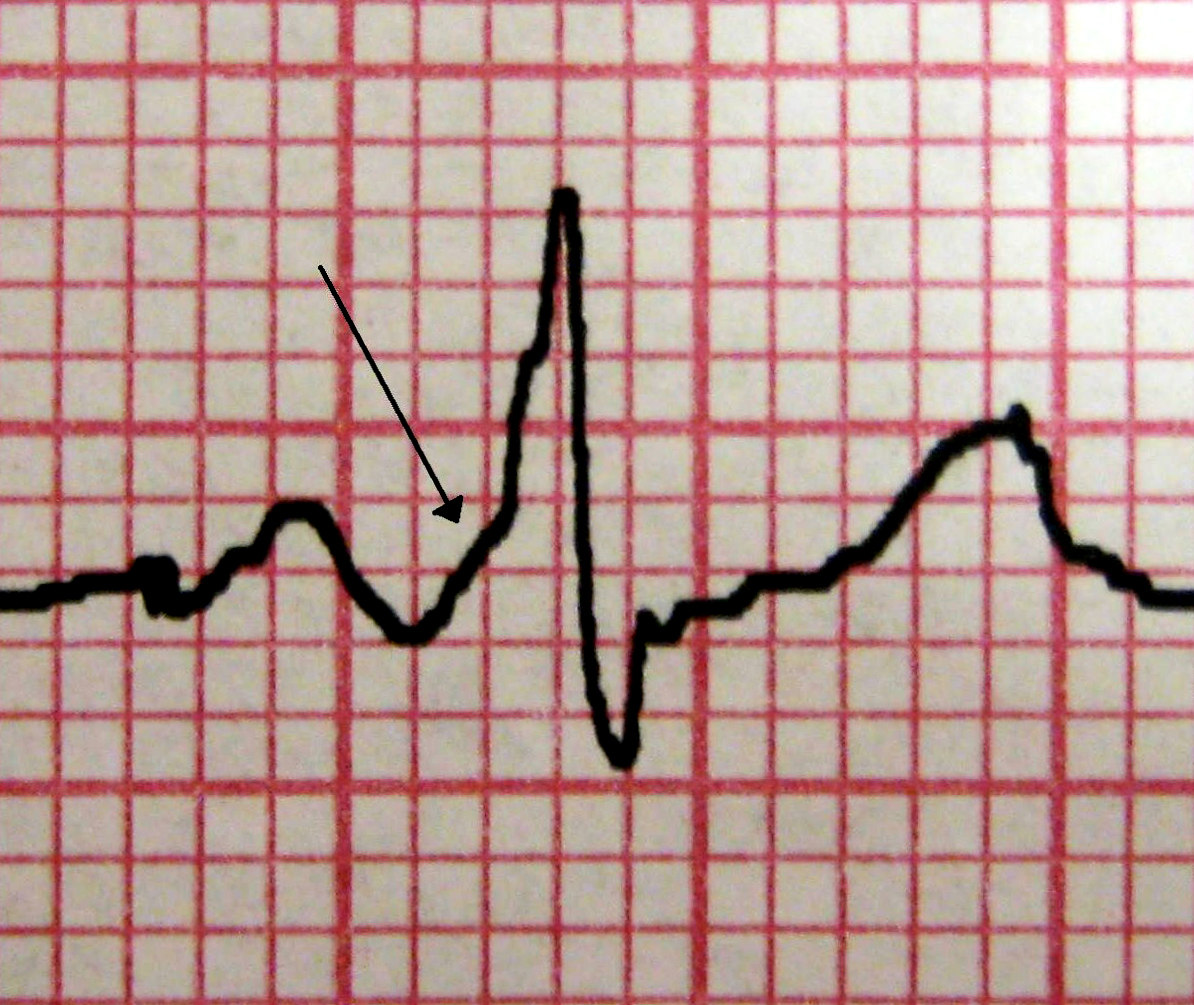
- Check vital signs, oxygen saturation and an ECG. Low-risk chest pain is defined with a score such as HEART, and every validated score needs an ECG.3 Look for pre-excitation on the resting ECG.4
- Ask whether they are already being treated for panic disorder, and about medicines, self-medication and substances, including cocaine.1
- Look for mimics: endocrine, cardiopulmonary and neurologic disease, substances such as caffeine, albuterol, levothyroxine or decongestants, and withdrawal.6
- Do only the tests that exclude an acute physical problem, then stop.1
- Reassure and explain. Compassionate listening and education are the base of treatment, and education itself can reduce anxiety, particularly in panic disorder.6
- Ask about suicidal thoughts. In ED chest pain patients with panic disorder, 25% had thought about killing themselves in the past week, against 5% of those without it.2 A brief tool such as the 4-question ASQ takes about 20 seconds; a positive screen needs a brief suicide safety assessment by a trained clinician.7
- Refer to primary care with written information about panic attacks and local support.1
- Then, for everyoneLow oxygen saturation, pre-excitation or an arrhythmia, or a drug, endocrine or neurologic cause?
- NoReassure and explain what a panic attack is. Education itself can reduce anxiety, particularly in panic disorder.6
- Either way
- No
- Follow-up treatment works. One CBT session within 2 weeks of the ED visit reduced panic severity.9
Recognizing a panic attack
A panic attack is a sudden surge of intense fear or discomfort that peaks within minutes, with at least 4 of 13 physical or cognitive symptoms.6 It typically peaks within 10 minutes.10,6 One attack is not panic disorder. Panic disorder needs recurrent unexpected attacks followed by a month or more of worry about further attacks or avoidance.6,1
| Group | Symptoms (DSM-5) |
|---|---|
| Cardiac | Palpitations or racing heart; chest pain or discomfort |
| Respiratory | Shortness of breath or smothering; choking |
| Autonomic | Sweating; trembling; chills or heat; nausea or abdominal distress |
| Neurologic | Dizziness or faintness; numbness or tingling |
| Cognitive | Unreality or detachment; fear of losing control; fear of dying |
Grouped for this page from the DSM-5 criteria reprinted in the American Family Physician review. The symptoms must not come from a substance, a medicine or another medical condition such as hyperthyroidism or cardiopulmonary disease.6
Who has panic behind chest pain?
- It is common and missed. About 25% of ED chest pain patients met criteria for panic disorder; 80% of them had atypical or nonanginal pain, and 98% went unrecognized.2
- Heart disease and panic coexist. In the same study, 44% of the patients with panic disorder had documented coronary artery disease.2
- Five features correlated with panic disorder in pooled chest pain studies: no coronary disease, atypical pain, female sex, younger age, and high self-reported anxiety.11
- Anxiety visits are frequent. Anxiety accounted for about 0.93% of US ED visits, about 1.25 million a year.12
A meta-analysis of chest pain studies counted atypical pain and high self-reported anxiety among the features that predict panic disorder.11 NICE finds panic disorder more likely without coronary disease, in women and in younger patients, but judges the evidence insufficient for atypical pain and self-reported anxiety.1 Neither list is a rule-out tool for cardiac disease.3
Mimics to exclude
| Group | Examples | What helps |
|---|---|---|
| Acute coronary syndrome | Chest pain with anxiety | ECG and a validated score; HEART under 4 is low risk3 |
| Arrhythmia | Paroxysmal SVT, pre-excitation | Resting ECG for pre-excitation; an event monitor detects more than a Holter4 |
| Hypoxemia | Any cause of low oxygen | Oxygen saturation before calling it hyperventilation5 |
| Endocrine | Hyperthyroidism, pheochromocytoma, hyperparathyroidism | History and targeted tests6 |
| Pulmonary | Obstructive lung disease | History, exam, saturation6 |
| Neurologic | Temporal lobe epilepsy, TIA | History and exam6 |
| Substances | Caffeine, albuterol, levothyroxine, decongestants, stimulants; withdrawal | Ask directly; ask about cocaine too6,1 |
Arrhythmia
- In 107 patients with reentrant SVT, the first medical evaluation missed it in 55%, including 41% of those whose ECG showed pre-excitation. It stayed unrecognized for a median of 3.3 years.4
- Women with missed SVT were more often told their symptoms were psychiatric (65% vs 32%).4
- Holter monitoring caught SVT in 9% of patients; event monitors caught it in 47%. After ablation-guided treatment, symptoms resolved in 86%, and only 4% still met panic criteria.4
Hyperventilation and the blood gas
- Don't use a paper bag. In 3 reported deaths, the patients given bag rebreathing were hypoxemic or had myocardial ischemia. In healthy volunteers, oxygen in the bag fell by a mean maximum of 26 mm Hg.5
- A venous gas is enough. In 236 adults with psychogenic hyperventilation, venous and arterial gases both showed respiratory alkalosis.13
- Lactate can be mildly raised in psychogenic hyperventilation, and it tracked with a lower PCO2.13
Treatment in the ED
Start with compassionate listening and a clear explanation; education itself can reduce anxiety, particularly in panic disorder.6 Identify and remove triggers such as caffeine, stimulants and nicotine.6
| Option | Adult dose | Notes |
|---|---|---|
| During the visit | ||
| Reassurance and education | — | The foundation of treatment.6 |
| Lorazepam, oral | Label start for anxiety: 2–3 mg/day in 2–3 divided doses; older or debilitated adults 1–2 mg/day | Crisis use only. Boxed warning: with opioids, profound sedation, respiratory depression and death.8,6 |
| Alprazolam and other short-acting benzodiazepines | Not preferred | Higher risk of addiction and adverse effects.6 |
| Sedating antihistamines, antipsychotics | Not for panic disorder | NICE advises against them.1 |
| Paper-bag rebreathing | Never | Lowers oxygen; deaths reported.5 |
| Started at follow-up | ||
| CBT | 7–14 hours in total | The recommended psychological treatment. Low-intensity self-help comes first for mild to moderate panic disorder.1 |
| SSRI licensed for panic disorder | Dose per prescriber and label | First-line drug. Warn about a brief rise in anxiety at the start.1 |
Unreviewed doses. Verify against the current label and your institution's protocol before giving anything.
Benzodiazepines
- NICE: benzodiazepines are linked to a poorer long-term outcome and should not be prescribed for panic disorder. In generalized anxiety disorder, use them only as a short-term measure during a crisis.1
- ED practice: when drugs were given at US ED anxiety visits, anxiolytics and benzodiazepines were the most common.12
- Short-term trials: in a network meta-analysis of 87 trials (12,800 patients), benzodiazepines raised remission (RR 1.47) but also adverse events (RR 1.76). SSRIs gave high remission with fewer adverse events.14
A Cochrane network meta-analysis of 70 trials ranked diazepam, alprazolam and clonazepam among the most effective drugs, and benzodiazepines as the best tolerated class in short-term trials; the benzodiazepine trials were of low quality.10 NICE recommends against them for panic disorder because of poorer long-term outcomes.1 The trials measured weeks of treatment, not a single ED dose.10
Antidepressants, for whoever starts them
- Antidepressants should be the only long-term drug treatment for panic disorder. Offer an SSRI licensed for it unless there's a reason not to.1
- Sertraline and escitalopram combined high remission with acceptable adverse events.14
- For people under 30, warn about a higher risk of suicidal thinking and self-harm, and review them within 1 week.1
Disposition
- Usually home. A person with a panic attack should not usually be admitted to a medical or psychiatric bed.1 In US data, 9.6% of anxiety-related ED visits ended in admission.12
- Refer to primary care, even after a full ED assessment, and give written information on panic attacks and on support groups.1
- Recurrent low-risk chest pain: GRACE-1 suggests screening for anxiety and depression (very low certainty) and referral for their treatment (low certainty).3 REBEL EM notes that some screening tools are too long for a busy ED.15
- Treatment after the ED helps. In 58 ED patients with panic disorder and chest pain, a single CBT session or 7 sessions both cut panic severity compared with usual care.9
- In the PACER trial (375 adults with low-risk chest pain and at least moderate anxiety), peer-supported internet CBT lowered the GAD-7 score 1.22 points more than a primary care referral over 12 months. Both CBT groups had about 3 times the odds of global improvement.16
- The risk persists. Among ED chest pain patients without panic disorder, 11.1% developed it within 2 years.17
Pitfalls
- Letting a history of anxiety lower your guard for ACS.3,2
- Calling recurrent palpitations panic without looking for pre-excitation or arranging rhythm monitoring.4
- Paper-bag rebreathing.5
- Sending a patient home without asking about suicidal thoughts.2,7
- Discharging with a benzodiazepine prescription as the plan for panic disorder.1
- Discharging with reassurance alone, without a referral or written information.1
How strong is the evidence?
The NICE advice for panic attacks seen in emergency departments dates from 2004 and was carried into the 2011 guideline, last updated in 2020.1 The GRACE-1 recommendations on anxiety are conditional and rest on very low to low certainty, indirect evidence.3 Almost all drug trials for panic disorder had some concern or high risk of bias.14 The studies on mimics are older, small, and retrospective or cross-sectional.2,4 The ED trials of CBT are recent and randomized, but PACER's benefit was modest.16,9
On-shift teaching
Questions to ask a learner at the bedside. Tap a question to see the answer. Every answer uses facts cited above.
Q1How common is panic disorder among ED chest pain patients, and how often is it recognized?
Q2Does a known anxiety disorder lower the chance that chest pain is cardiac?
Q3Which arrhythmia most often masquerades as panic disorder, and how do you catch it?
Q4Why not hand a hyperventilating patient a paper bag?
Q5What does NICE say every patient with a panic attack in the ED should get?
Q6Benzodiazepines work in panic trials. Why does NICE advise against them?
References
What this page is built on
17 sources, cited 105 times. Dots are sources, filled by how far each was read; stronger color means a larger share of the citations. Tap a tier to see its sources.
Checked by the writer, not a physician. The dots show how each source was read, not that anyone has confirmed the claims.
- 1National Institute for Health and Care Excellence. Generalised anxiety disorder and panic disorder in adults: management (CG113). NICE; January 2011, last updated June 2020.
- 2Fleet RP, Dupuis G, Marchand A, et al. Panic disorder in emergency department chest pain patients: prevalence, comorbidity, suicidal ideation, and physician recognition. Am J Med. 1996;101(4):371–380.
- 3Musey PI Jr, Bellolio F, Upadhye S, et al. Guidelines for reasonable and appropriate care in the emergency department (GRACE): recurrent, low-risk chest pain in the emergency department. Acad Emerg Med. 2021;28(7):718–744.
- 4Lessmeier TJ, Gamperling D, Johnson-Liddon V, et al. Unrecognized paroxysmal supraventricular tachycardia: potential for misdiagnosis as panic disorder. Arch Intern Med. 1997;157(5):537–543.
- 5Callaham M. Hypoxic hazards of traditional paper bag rebreathing in hyperventilating patients. Ann Emerg Med. 1989;18(6):622–628. Case reports and a volunteer study.
- 6Locke AB, Kirst N, Shultz CG. Diagnosis and management of generalized anxiety disorder and panic disorder in adults. Am Fam Physician. 2015;91(9):617–624.
- 7National Institute of Mental Health. Ask Suicide-Screening Questions (ASQ) Toolkit.
- 8Lorazepam tablets. FDA prescribing information (DailyMed).
- 9Lessard MJ, Marchand A, Pelland MÈ, et al. Comparing two brief psychological interventions to usual care in panic disorder patients presenting to the emergency department with chest pain. Behav Cogn Psychother. 2012;40(2):129–147.
- 10Guaiana G, Meader N, Barbui C, et al. Pharmacological treatments in panic disorder in adults: a network meta-analysis. Cochrane Database Syst Rev. 2023;11(11):CD012729.
- 11Huffman JC, Pollack MH. Predicting panic disorder among patients with chest pain: an analysis of the literature. Psychosomatics. 2003;44(3):222–236.
- 12Dark T, Flynn HA, Rust G, et al. Epidemiology of emergency department visits for anxiety in the United States: 2009–2011. Psychiatr Serv. 2017;68(3):238–244.
- 13Urushidani S, Kuriyama A, Matsumura M. Clinical utility of venous blood gas analysis for the evaluation of psychogenic hyperventilation in the emergency department. Cureus. 2020;12(12):e12273.
- 14Chawla N, Anothaisintawee T, Charoenrungrueangchai K, et al. Drug treatment for panic disorder with or without agoraphobia: systematic review and network meta-analysis of randomised controlled trials. BMJ. 2022;376:e066084.
- 15Propersi M. GRACE guidelines: a pragmatic approach to recurrent low-risk chest pain. REBEL EM; July 19, 2021.
- 16Musey PI Jr, Kroenke K, Connors JN, et al. Telehealth treatment of anxiety in patients with low-risk chest pain in the emergency department: the PACER randomized clinical trial. JAMA Intern Med. 2026;186(11):1300–1310.
- 17Foldes-Busque G, de Lafontaine MF, Turcotte S, Denis I. Are patients at risk for developing panic disorder after an emergency department visit with noncardiac chest pain? J Acad Consult Liaison Psychiatry. 2022;63(1):23–31.
AI-generated draft. Not reviewed by a physician. This page is for education only and may contain errors, including in doses. Do not use it to diagnose, treat or make decisions about any patient. Rely on your own clinical judgment, your institution's protocols and current drug labeling. Reading this page does not create a physician-patient relationship. Full terms